
服务承诺
 资金托管
原创保证
实力保障
24小时客服
使命必达
资金托管
原创保证
实力保障
24小时客服
使命必达
51Due提供Essay,Paper,Report,Assignment等学科作业的代写与辅导,同时涵盖Personal Statement,转学申请等留学文书代写。
 51Due将让你达成学业目标51Due将让你达成学业目标51Due将让你达成学业目标51Due将让你达成学业目标
私人订制你的未来职场 世界名企,高端行业岗位等 在新的起点上实现更高水平的发展
 积累工作经验
 多元化文化交流
 专业实操技能
 建立人际资源圈
作业代写:The linguistic features of animation art
2018-08-24 来源: 51due教员组 类别: Paper范文
下面为大家整理一篇优秀的paper代写范文- The linguistic features of animation art,供大家参考学习,这篇论文讨论了动画艺术的语言特征。作为一门综合的视听艺术,动画艺术的领导体制和欣赏都离不开视听双方的信息源和艺术处理。正是如此,动画艺术构建了独特的语言特征,一种用以传递信息的符号系统。因此从动画诞生起,动画就成为了最具符号化特征的艺术形式之一。
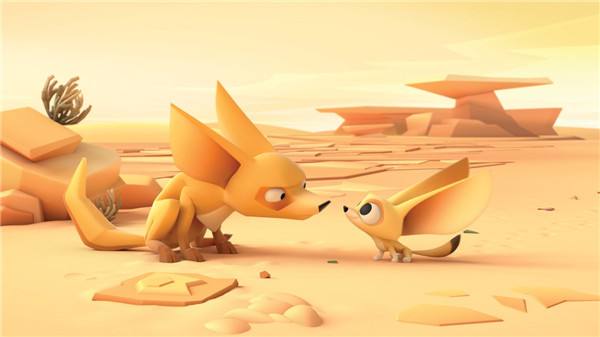
Animation is a popular art form. From the moment of its birth, it has constructed unique "language" features. It is generally believed that the linguistic features of animation are represented in the following aspects: picture modeling language, action performance language, montage symbol language and sound symbol language.
Animation is a popular art form, from the moment of its birth, high entertainment has become its main function. As a comprehensive audio-visual art, animation's leadership system and appreciation are inseparable from both audio-visual information sources and artistic processing. Exactly so, the animation art constructs the unique "language" characteristic. According to the general meaning of language, we know it is a kind of symbol system to convey information. Therefore, from the birth of animation, animation has become one of the most symbolic features of the art form. In the silent era, animation art, like movies, relies entirely on the reinforcement of physical features or movements to distinguish different characters and personalities. Later, with the birth of sound film, sound symbols were used in animation, and animation art thus formed a more unique artistic meaning.
Animation is an art of creation. No matter it is two-dimensional or three-dimensional animation, it cannot be separated from painting, that is, art and plastic art. Visible picture modeling language is the foundation of animation language. The picture of the animation contains the code of the scene and the picture, which is composed of the scene, lighting, character modeling, color composition and other elements. As animation is an art of artificial creation, the creation of these elements is closely related to plastic arts. With the continuous development of nearly hundred years animation technology mature, animation has close relationship with plastic arts, both classical and modern art, whether painting, printmaking, watercolor, ink painting or sculpture, or folk art, etc., they are used in the form of animation, enriched the animation modeling language. With the rise of high technology in recent years, 3d animation seems to be different from previous forms of animation on the surface. In fact, it is not. 3d animation is also a creation art. Therefore, it is precisely because of the application of various plastic arts in animation that more forms and means are added to animation, and the attraction of animation is also strengthened.
So, is it true that the expressive language of plastic arts is animation? Of course not. Animation merely absorbs the expression language of plastic arts, and then the animation artists create their own unique expression language. Although, in many animations, we will find the expression techniques of painting, sculpture and other plastic arts, they are just similar expression techniques, but the specific expression techniques are different. Take painting, for instance, the traditional painting is to use paint on the canvas, but this method applied to the animation is obviously not appropriate, therefore, animation artists have invented a clever way to paint in oils on glass, they would not use oil paints dry features, under the camera picture while to complete. The creation of this method not only features the modeling language of oil painting, but also produces a new expression language of animation art. Therefore, we find that the use of various art forms and materials in animation enriches the expression language of picture creation and makes animation art more diversified.
Motion is the basis of animation. We know that film and animation have one thing in common on a technical level. And it's playing at 24 or 30 bars per second. But they are very different in the way they record images. The film USES the camera to record the real scenes in life, while the animation USES various expression techniques to create an artistic simulation scene. Therefore, the image in the animation produces its own unique expression language in the action performance.
First of all, animation performance is a kind of virtual and hypothetical performance. The animation characters have no life themselves and are endowed with life through the artistic processing of the animators. Therefore, the performance itself is a kind of virtual and hypothetical artistic creation. We see that in the animation art of the virtual time and space, the human imagination and creativity to the exercise is brought into full play. Its kinematics range from physical movements that simulate the real state of reality to artistic and exaggerated movements conceived by the creators to serve the theme, which constitute the powerful expressive language of animation.
Secondly, animation performance is a kind of summary and exaggerated performance. The animation character is an artistic image extracted from generalization, so its performance is an exaggerated generalization of its unique personality. It is the most common technique in the movement of animated characters to emphasize and exaggerate the action features of things in the real world to strengthen the effect and create a humorous and interesting atmosphere. Such as: the "Mickey Mouse" in the animation, "Tom" and "jerry," roles are to move on their own way, of course there are many actions among this in real life doesn't exist, but they are artists by refining and add your own imagination of life to create a unique animation art movement.
Montage turned out to be the French architecture terminology, later quoted in the film and television art, refers to the lens cohesion and transformation, also is what we usually call the clip - according to the three stages of the film art creation process, when the script, director, finally will be taken out of a series of lenses according to the motion law of rationality, creative to set into the full screen image. Animation is a category of film and television art, so it is inevitable to follow the rules of film and television montage language in the narration. After completing all shot making, editing work is also required to complete the visual fluency of the animation and the rhythm of narration, otherwise the animation may become a story without logic or ambiguity. However, due to the artistic characteristics of the virtual assumption of animation, the application of montage language in animation is bound to present different artistic features.
Lens is the basic unit of montage, refers to the camera continuous shooting. As we all know, the entire film is gone without individual shots. Animation, too, USES the logical connections between shots to tell the story. The shot in the animation is completed by three contents: scene, composition and motion.
The scene is divided into five parts: vistas, panoramic views, middle views, close views and close-up. Different scenes will produce different feelings in people's physical and psychological emotions. Therefore, in the animation creation, the choice of scene should be combined with the actual situation of the animation and subject to the artistic performance requirements of each animation. There are many similarities between the composition of animation and film, photography and painting, which all require simplicity, integrity, vividness and stability, so as to highlight the subject and better express the theme.
Among the three contents that constitute lens language, motion can best reflect the characteristics of animation. Here, motion refers to the photographic method of the lens, which can be divided into two types: fixation and movement. Fixed photography refers to the shooting under the condition that the camera body and position are unchanged. It is generally used to show the close-up of the subject and the character's face. But for motion picture, fixed photography and limitations, so in the animation, to show the picture of movement generally with camera movement, namely we often say that the movement of the photography, it refers to the camera in the push, pull, shake, shift, with, lifting, rotating and shaking in the forms of exercise to complete performance of the story. Motion through the camera creates motion and momentum and creates rhythm and rhythm. In the animation, time evolution and space transformation are reflected through the constantly moving aspects, which are completely consistent with the objective exchange of time and space, enabling the film to create various artistic effects such as implied meaning, contrast, emphasis, association and contrast. At the same time, motion photography can produce dynamic composition and balance the picture. Due to the different directions, dynamics, speed, duration and rhythm of motion, generally speaking, the use of a large number of motion shots will create a sense of vitality or urgency, excitement or violence. On the contrary, too few sports scenes will produce a feeling of dullness, quietness and depression.
Animation is a comprehensive art of audio-visual, so sound is also an important part of animation art language. The sound in the animation is mainly used to enhance the modeling effect of complementing and enriching the picture, enhance the audio-visual charm of the animation, explain the story, and reproduce the actions and representative actions through sound..
The success of an animated cartoon is directly related to whether the visual image and auditory image complement each other, so as to achieve the "synchronization of sound and picture in time and space". Animated sounds, like movies, include dialogue, music, sound effects and other artistic elements. However, the sound production of animation is different from that of film. In order to emphasize the sense of scene and reality, modern films usually use simultaneous or late recording. However, the production of animation sound is different. As animation is created, dialogue and sound effects cannot be recorded synchronously. Therefore, animation sound usually adopts the method of pre-recording or post-recording. It is to record music and dialogue according to the script of the lens first, and then draw the action picture according to the recording to control the rhythm of the picture. Or draw an animation, and then record music and dialogue. For example, many American theater animations, in order to achieve a high degree of unity between animation and sound, adopt the way of pre-recorded recording. In theater animation, dialogue is usually recorded in advance in order to match the figures of the characters and their expressions. Later recording is more common in recording natural sound effects such as effect and environment. However, in the actual work, the animation creators need to carefully consider the relationship between sound and picture, and then make artistic conception and processing of the sound in the animation according to the creation needs, so as to create an incomparable artistic realm.
51due留学教育原创版权郑重声明:原创paper代写范文源自编辑创作,未经官方许可,网站谢绝转载。对于侵权行为,未经同意的情况下,51Due有权追究法律责任。主要业务有essay代写、assignment代写、paper代写服务。
51due为留学生提供最好的paper代写服务,亲们可以进入主页了解和获取更多paper代写范文 提供作业代写服务,详情可以咨询我们的客服QQ:800020041。