
服务承诺
 资金托管
原创保证
实力保障
24小时客服
使命必达
资金托管
原创保证
实力保障
24小时客服
使命必达
51Due提供Essay,Paper,Report,Assignment等学科作业的代写与辅导,同时涵盖Personal Statement,转学申请等留学文书代写。
 51Due将让你达成学业目标51Due将让你达成学业目标51Due将让你达成学业目标51Due将让你达成学业目标
私人订制你的未来职场 世界名企,高端行业岗位等 在新的起点上实现更高水平的发展
 积累工作经验
 多元化文化交流
 专业实操技能
 建立人际资源圈
British textile clothing reuse and recycling
2019-03-25 来源: 51due教员组 类别: 更多范文
下面为大家整理一篇优秀的assignment代写范文- British textile clothing reuse and recycling,供大家参考学习,这篇论文讨论了英国纺织品服装再利用和循环利用。目前,英国对废旧纺织品服装的界定是以垃圾框架指令为依据,垃圾框架指令是一个欧盟范围内的指令,每个欧盟成员需要以WFD为框架指导国内法规的制定。英国织物再利用历史悠久,最早可追溯到16世纪,服装交易中心早在伊丽莎白时期已经建立。在20世纪末,再利用市场对于二手服装销售来说变得更加重要。总体上讲,英国对废旧织物回收渠道多,再利用和循环利用充分。
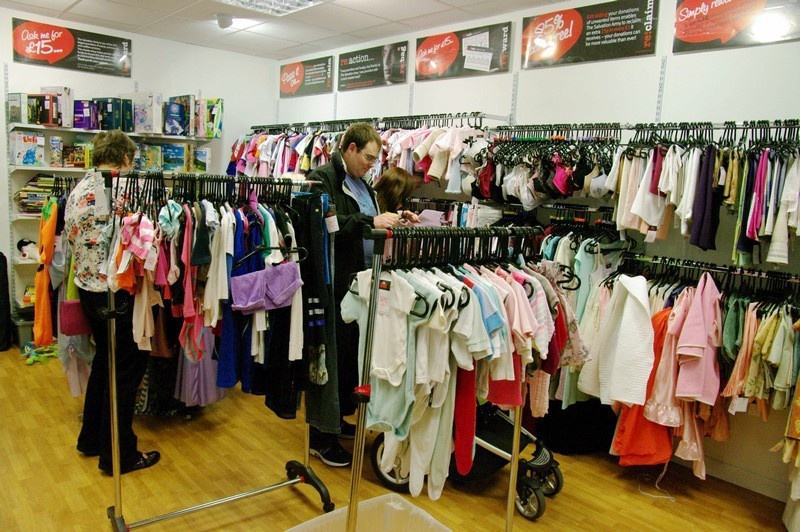
With the rapid growth of mass consumption of textiles and clothing, the number of household waste fabrics also increases. The British government advocates that waste fabric should be regarded as a recyclable and reusable resource.
As the environmental impact of waste textiles and clothing has attracted much attention, more and more research institutions in developed countries focus on the reuse and recycling of waste textiles and clothing. The pressure on the environment has been exacerbated by the "fast fashion" trend in recent years, which has allowed consumers to catch up on fashion trends at cheaper prices and to phase out cheaper clothing faster than ever before, according to studies by the department for environment, food and rural affairs. Data shows that in 2007, the consumption of British textile and clothing reached 2.036 million t, among which, the consumption of clothing was 1.251 million t. There are about 26.5 million households in the UK, and the total amount of textiles and clothing discarded by British households is up to 539,900 t each year.
From 2005 to 2008, the recycling amount of British textiles and clothing increased rapidly, from 324,000 t in 2005 to 523,000 t in 2008, with an increase of 200,000 t in three years. Due to the high recycling rate of waste textiles and clothing in the UK, the amount of waste textiles and clothing as municipal solid waste in the same period has been decreasing continuously, from 1.165 million t in 2003 to 1.081 million t in 2008, and the recycling rate of waste fabric has increased from 22% to 33%.
At present, the definition of waste textiles and clothing in the UK is based on the waste framework directive that came into effect in the eu in December 2010. WFD is an eu-wide directive, and every eu member needs to take WFD as the framework to guide the formulation of domestic regulations.
WFD defines garbage as: once an object becomes garbage, it means that the abandoned object has been fully recycled and no longer poses a possible threat to the environment and human health.
The classification of fabric waste is complicated. If the clothes are donated to charity shops by the public, they are not garbage. If the clothes donated to the charity shop can no longer be sold, or the fabric donated to the charity shop can no longer be sold to the rag dealer, such fabric will be considered as garbage.
According to the relevant terms of WFD, re-use refers to the re-sale of textile clothing through retail stores and is considered as re-use of textile clothing. Recycling refers to that the fabric can be processed as doffing or fragments of recycled fiber into new products. Garbage means that the fabric cannot be resold or recycled and can only be discarded as garbage.
Generally speaking, second-hand clothes are those that can be worn or used again. According to the provisions of WFD, they are not garbage, that is, they can be continued to be worn as clothes. It can also be sold or used as clothing for export. Used clothing includes: fabric donated to charity shops, door-to-door recycled fabric and fabric placed in recycled Banks. Most of the clothes recycled by the fabric bank can be reused rather than recycled rags.
In the UK, the range of recycling as waste textile clothing is wide, including: home fabric, such as clothing, socks, sheets, pillows, etc.; The mattress. The carpet; Shoes.
Waste textiles and clothing are classified according to recycling channels, including charity shops, fabric recycling Banks, door-to-door recycling, local recycling agencies, household waste recycling centers, schools, UK carpet recycling and direct recycling.
The charity shops association currently has more than 6,800 charity shops that recycle waste fabrics. Charity shops are the main channel for recycling and selling used fabrics in the UK. The charity shop association also owns the fabric recycling bank, which has more than 6,500 recycling Banks in the UK, with around 60,000 tons of fabric recycled each year. The fabric that is recycled from charity homes is sent directly to charity shops for sale. This includes fabric donated to charity shops, fabric recycled from the public, fabric recycled from door-to-door and fabric recycled from a fabric recycling bank. The figures in table 1 are based on the final recycling route, and do not include rags or old clothes that cannot be resold.
Usually the main reason for the public to eliminate clothes is the lack of space in the home. There are various ways of reuse, including direct reuse and inter-press reuse.
Reuse old clothes at home, such as as rags; Some families donate, sell, or trade old clothes. Usually between the family presents the clothing mainly is the children's clothing, the pregnant woman clothing, the school uniform, the exchange channel may through the network, the flea market and so on. At present, many residents conduct personal clothing transactions and gifts through the Internet. In the UK, about 1,000 t of clothes are sold to the second-hand market through the Internet every year.
Donate to a third party, such as a charity shop; All kinds of recycling institutions, such as recycling enterprises, recycling Banks. In the UK, it is becoming more and more common to collect fabrics through schools, including schoolbags and uniforms, with an annual recycling volume of 20,000 t. There are about 11,000 industrial recovery Banks in the UK, with each industrial recovery bank recycling an average of 9.23t of fabric a year.
Britain has a long history of fabric reuse, dating back as far as the 16th century, and clothing trading centers were established as early as the Elizabethan period, such as Westminster. At the end of the 20th century, the reuse market became even more important for second-hand clothing sales.
Waste fabrics recycled in the UK in 2005 and 2008 are divided into four categories according to their domestic and overseas end USES: resale, rag, recycling and landfill.
In the UK, the amount of waste fabric resale increased from 41,000 t in 2005 to 106,000 t in 2008. The number of recycled fabrics used as raw materials for the production of recycled fibers decreased from 34,000 t in 2005 to 10,000 t in 2008. As the waste fabric of landfill, it was 25,000 t in 2008, only increasing by 4,000 t compared with 2005. On the whole, in the UK, the recycling rate of waste fabric has been greatly improved, while the utilization of traditional waste fabric is increasingly weakened. For example, the number of waste fabric used as rags is decreasing, mainly due to the shrinking of manufacturing industry and shipbuilding industry.
From the recycling situation of recycled waste fabric shipped overseas, the reuse of used fabric is the main part, which was 174,000 t in 2005 and increased to 316,000 t in 2008.
2008 UK textile and clothing consumption and UK waste fabric recycling channels, reuse, recycling and waste disposal. Generally speaking, Britain has many recycling channels for waste fabrics, and makes full use of recycling and recycling.
51due留学教育原创版权郑重声明:原创assignment代写范文源自编辑创作,未经官方许可,网站谢绝转载。对于侵权行为,未经同意的情况下,51Due有权追究法律责任。主要业务有assignment代写、essay代写、paper代写服务。
51due为留学生提供最好的assignment代写服务,亲们可以进入主页了解和获取更多assignment代写范文 提供北美作业代写服务,详情可以咨询我们的客服QQ:800020041。